🔊 Listen to the story
Click Read to hear the story aloud. You can pause or stop at any time.
📜 Adventure 15 Story
Fire, the Sun, and the Making of Civilization
Of all the discoveries humans have ever made, few were as transformative as fire. The wheel helped us move things. Writing helped us remember things. But fire helped us survive long enough to invent both.
Early humans probably first encountered fire through lightning strikes or volcanic eruptions. At first it must have been terrifying — a roaring, glowing force that consumed forests and turned night into flickering day. But eventually, curiosity overcame fear. Humans learned not just to use fire, but to make it. This single step changed the trajectory of our species.
Cooking food made nutrients easier to absorb. Anthropologists believe that cooked diets helped support the growth of larger human brains. Fire also extended the day, allowing people to gather, talk, plan, and imagine. Around campfires, language deepened, stories formed, and cultures began.
Fire transformed materials too. Clay hardened into pottery and bricks, making permanent settlements possible. Sand melted into glass. Metals softened in furnaces and could be shaped into tools and weapons. The rise of civilizations — from Mesopotamia to Rome — depended on the controlled power of flame.
Humans are, as far as we know, the only creatures to deliberately create fire. Myths filled the gap in understanding. Many cultures imagined gods or dragons breathing flame, symbols of power over nature. In a poetic sense, these myths were not entirely wrong.
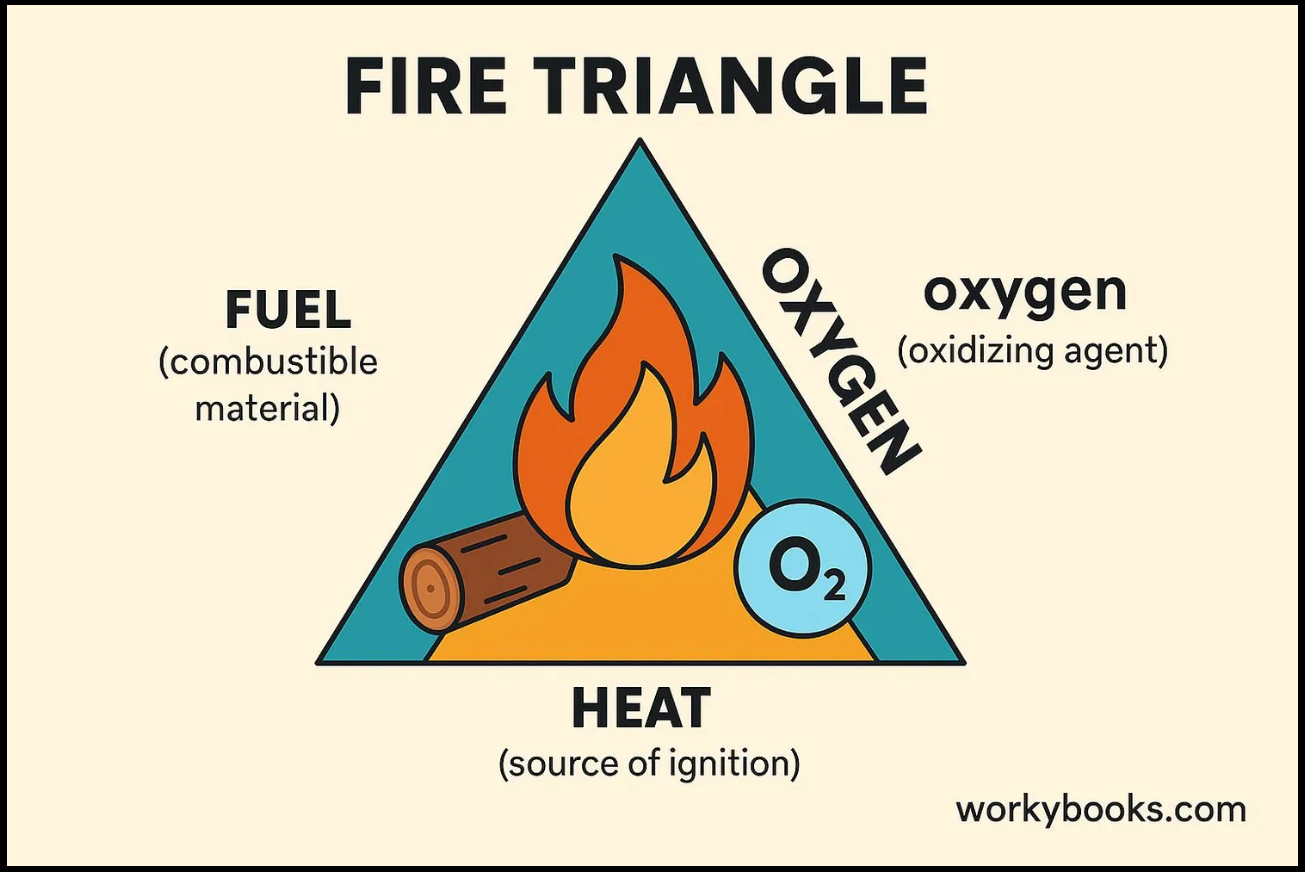
Science later revealed that fire is a chemical process. When wood burns, atoms rearrange, releasing stored energy as heat and light. But this only pushes the mystery one step further: why was energy stored in the wood at all?
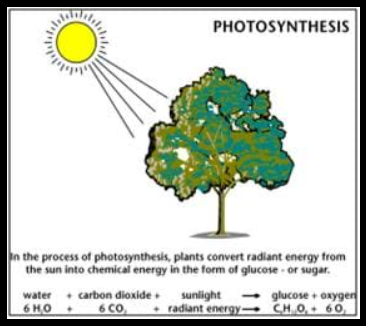
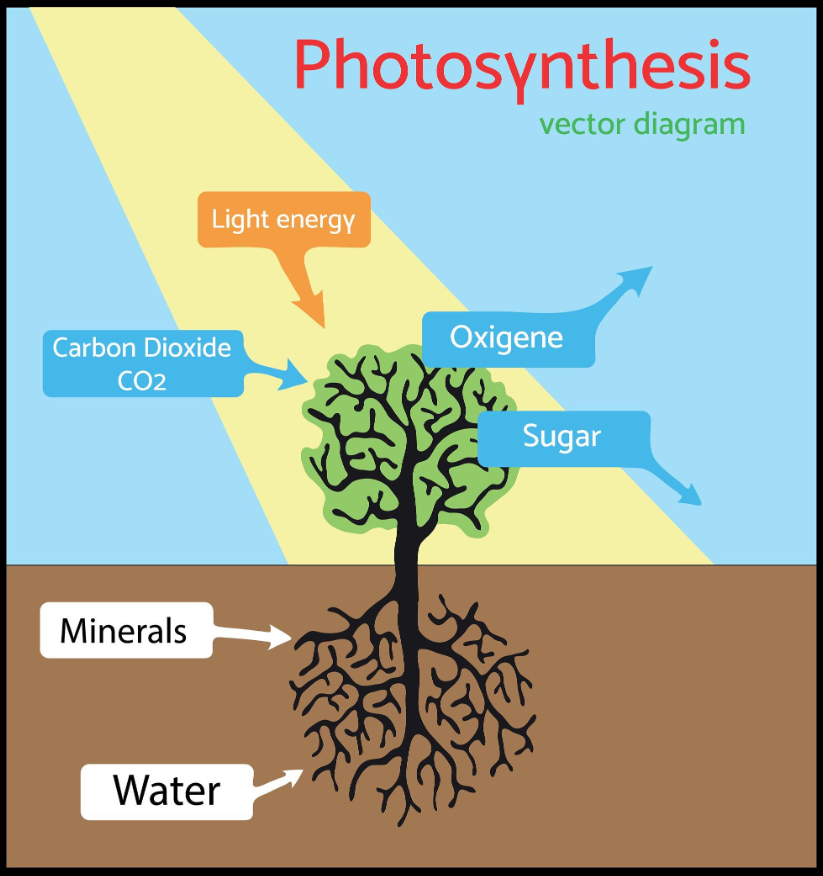
The answer leads us beyond Earth, to the Sun. Plants capture sunlight through photosynthesis, storing solar energy in chemical bonds. Trees are, in effect, living batteries charged by starlight. When wood burns, the Sun’s ancient energy is released again.
This realization connects everyday experience to cosmic physics. The same Sun that warms your face and fuels a forest fire also governs the motion of planets. Its gravity shapes orbits, seasons, climates, and the architecture of the Solar System itself.
In this adventure, you will explore how a single quantity — the gravitational strength of the Sun — determines how worlds move through space. From the first campfires to the paths of distant planets, the story of science is a story of understanding energy, motion, and the laws that connect them.