🔊 Listen to the story
Click Read to hear the story aloud. You can pause or stop at any time.
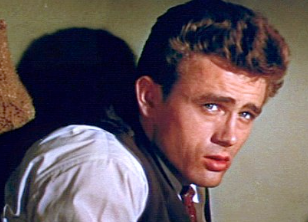
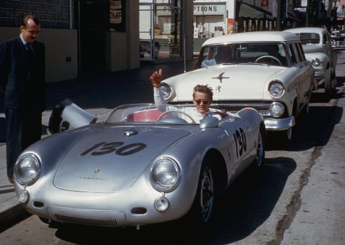 James Dean in his 1955 Porsche 550 Spyder "Little Bastard" (Race No. 130).
Why Drag Racing moved to a Track (from the Street)
Long before Teslas or Formula 1, American teenagers rebuilt old Fords and Chevys in their driveways and wanted one thing: to find out whose car was fastest. But they raced on normal streets—no rules, no safety crews, no seat belts. Just young drivers, powerful
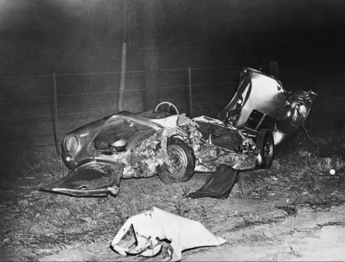
The Wake-Up Moment: The most famous young actor of the time was James Dean, a real race-driver. Kids copied everything he did. But on his way to an official race, another car turned suddenly, and there was a fatal crash.
Speed isn’t the problem. Unsafe speed is.
The Birth of the Drag Strip: Communities came up with a smart idea: Move racing to controlled tracks:Old airfields and long straight roads became drag strips with: Measured, straight lanes; Timing systems; Safety teams; Rules; Space for spectators. Street chaos became a real sport—and a science.
Why Drag Racing Matters in Math Circle: Once racing became safe, drivers and engineers started asking scientific questions: How fast can a car accelerate? Does less mass mean more speed? What does the velocity graph look like? How far do you travel with constant acceleration?
Those are the same charts you’re learning to read—distance, velocity, and acceleration. Drag racing makes them real.
A Modern Reminder: Today the biggest danger isn’t speed—it’s distraction. Two seconds of texting can be more dangerous than driving fast. That’s why racing belongs on the track and why understanding physics keeps people safe.
Speed is exciting. Focus is everything. But understanding the physics — that’s the superpower. Now let’s see what your charts say when the light turns green.